




DWC vs Kratky vs Wick System: Which Hydroponic Setup Should You Choose?

Once you’ve tried one hydroponic system, the obvious next question is whether a different method would suit your home better. DWC, Kratky, and Wick systems all grow plants without soil — but they differ a lot in cost, effort, and how well they hold up to Indian heat and humidity.
The Short Version
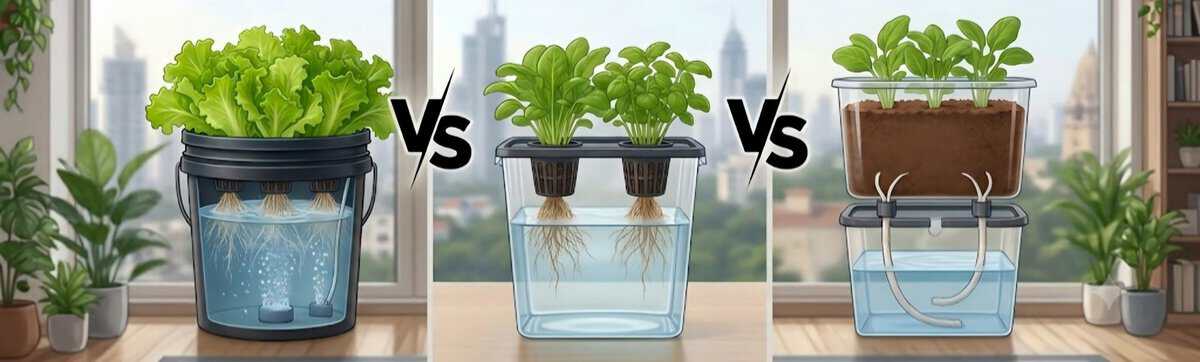
- DWC (Deep Water Culture) — active system with an air pump, fastest growth, needs daily attention but gives the best results for fruiting plants like tomato and chilli.
- Kratky Method — completely passive, no pump, no electricity at all — you fill it once and mostly leave it alone. Best for leafy greens and herbs, less suited to long-term fruiting crops.
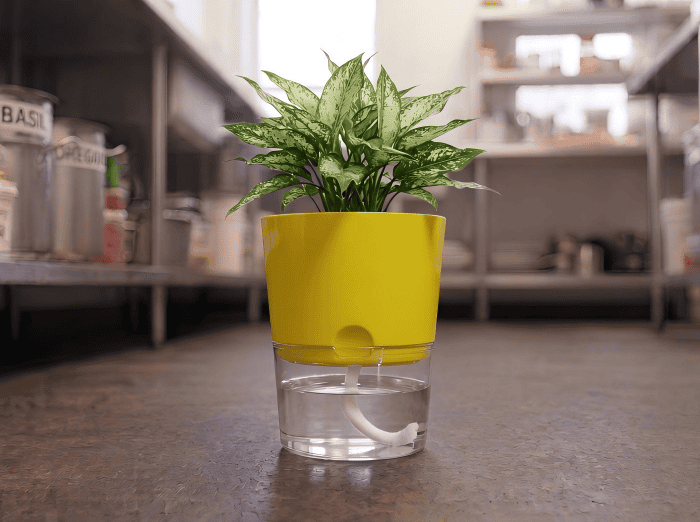
- Wick System — passive, uses a cotton or felt wick to draw nutrient solution up into the growing medium by capillary action. Extremely low-maintenance but slower growth than DWC.
If you want the fastest results and don’t mind a bit of daily upkeep, go DWC. If you want the lowest-effort, lowest-cost option and mostly grow herbs or greens, Kratky or Wick will serve you better.
How Each System Actually Works
DWC
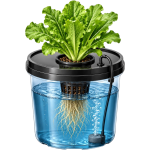
Roots hang directly into an aerated nutrient reservoir. An air pump and air stone constantly bubble oxygen into the water, which is what allows roots to stay healthy fully submerged. This is the same setup covered in our DWC guide.
Kratky
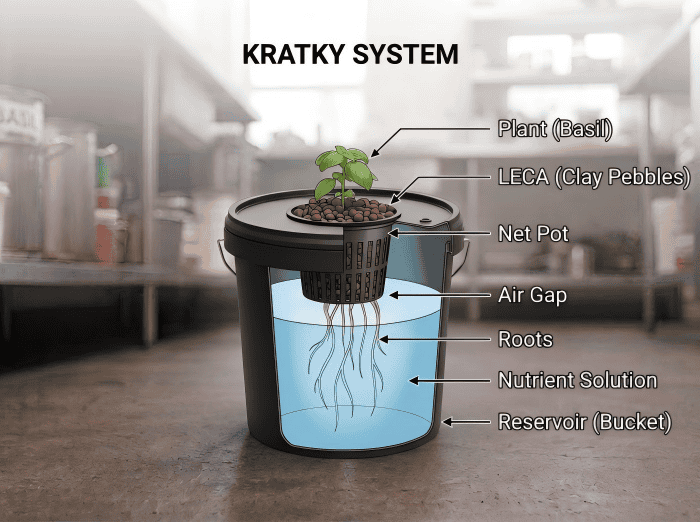
Also uses a reservoir of nutrient solution, but with no pump at all. The trick is in how it’s filled: you start with the net pot’s bottom just touching the water, and as the plant grows and drinks, the water level drops, creating an air gap above the water where the upper roots get oxygen naturally. You don’t top up the water — the whole point is to fill once and walk away until harvest.
Wick
The plant sits in a growing medium (usually coco coir or perlite) inside a pot, and a wick — often strips of felt or thick cotton rope — runs from a nutrient reservoir below, up into the medium. The wick constantly draws up moisture and nutrients through capillary action, similar to how a candle wick draws up wax.
Head-to-Head Comparison
| Factor | DWC | Kratky | Wick |
|---|---|---|---|
| Electricity needed | Yes (air pump 24/7) | No | No |
| Maintenance | Daily/every 2-3 days | Almost none until harvest | Low, occasional refill |
| Growth speed | Fastest (to 50% faster than classic methods) | Moderate | Slowest |
| Best for | Tomato, chilli, cucumber | Lettuce, spinach, herbs | Herbs, small greens |
| Startup cost | Moderate (pump, air stone) | Lowest | Low |
| Power cut resilience | Poor — roots suffocate within hours without the pump | Excellent — no pump to lose | Excellent — no pump to lose |
| Good for beginners | Yes, if you’re consistent | Yes, especially for busy schedules | Yes |
Why This Matters More in India Than People Realise
Power cuts are the deciding factor for a lot of Indian growers, and it’s worth being honest about it: a DWC system depends entirely on that air pump running continuously. In cities and towns where load-shedding or unplanned outages are common, a few hours without power can mean suffocated, rotting roots. If your area has unreliable electricity, Kratky or Wick are simply more forgiving — they don’t rely on anything mechanical at all.
Heat affects all three systems, but reservoirs in DWC and Kratky both need to stay out of direct sun — warm, stagnant water breeds algae and root rot fast in Indian summers. Wick systems, since the reservoir is usually smaller and the medium itself stays more insulated, tend to handle heat slightly better.
Humidity during monsoon makes algae and mould a bigger risk across all systems, so an opaque reservoir (or one wrapped in black plastic) is worth doing regardless of which method you pick.
Which One Should You Actually Pick?
- Growing tomatoes, chillies, or cucumbers, and home most days → DWC. The extra effort pays off in noticeably faster, bushier growth.
- Growing herbs, lettuce, or spinach, and want to “set and forget” → Kratky. Perfect for a first hydroponic experiment with almost zero learning curve.
- Frequent power cuts in your area, or want something low-cost and low-fuss → Wick. It won’t grow fruiting plants as well, but it’s the most forgiving system to leave unattended.
- Not sure yet → Start with a small Kratky jar for lettuce or mint. It costs very little to try, and you’ll quickly get a feel for whether you want to move up to a full DWC setup.
Common Mistakes Across All Three Systems
- Using a clear container — light reaching the roots or reservoir causes algae in any of the three systems, not just DWC.
- Wrong nutrient strength for the plant stage — seedlings need a much weaker solution than mature fruiting plants; check dosage charts rather than guessing.
- Ignoring pH — even a passive Kratky or Wick setup needs the water pH checked before filling; skipping this step is the most common reason new growers see stunted plants.
- Choosing the wrong system for the crop — trying to grow a full tomato plant in a small Kratky jar, or a delicate herb in a system built for fruiting plants, usually ends in disappointment regardless of how well it’s set up.
Final Thoughts
There’s no single “best” hydroponic system — only the one that fits your crop, your schedule, and how reliable your power supply is. Many home growers in India end up running more than one system at once: a Kratky jar for salad greens on the kitchen counter, and a DWC bucket for a tomato plant that gets a bit more daily attention. Try a small, cheap setup first, see how it fits your routine, and scale up from there.