






Best Crops to Grow in DWC for Indian Kitchens

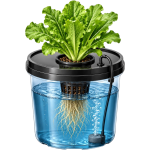
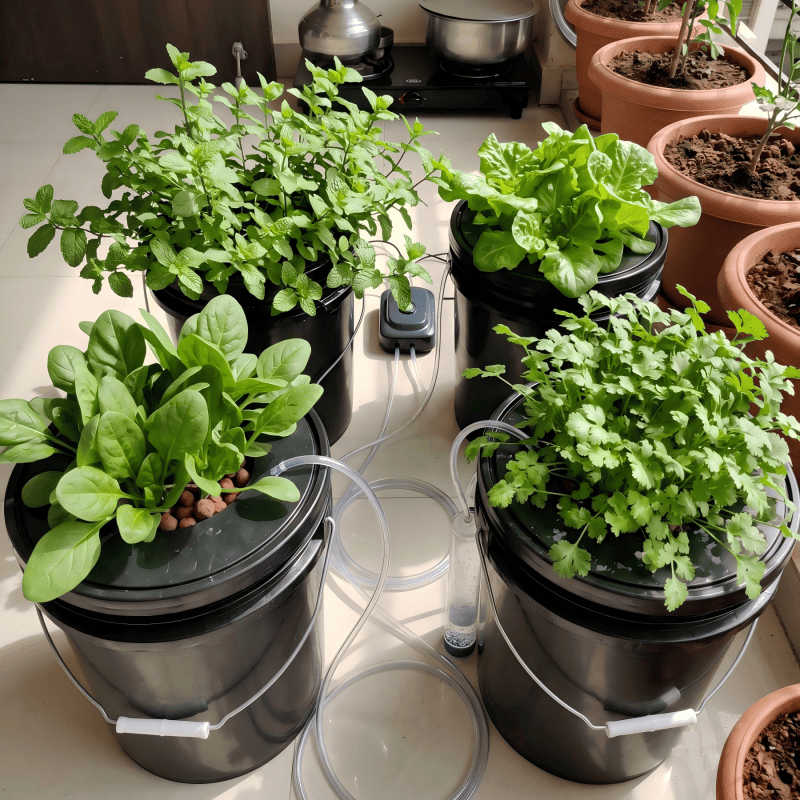
Not every vegetable takes to Deep Water Culture the same way. Some plants — spinach, mint, lettuce — practically thrive on neglect in a DWC bucket, while others need more attention, bigger reservoirs, or simply don’t do well with their roots sitting in water all day. Here’s what’s actually worth growing.
What Makes a Crop Good for DWC
Before picking plants, it helps to know what DWC rewards and what it punishes:
- Fast-growing leafy greens and herbs do exceptionally well — they have shallow, fibrous root systems that spread out easily in water and don’t mind constant moisture.
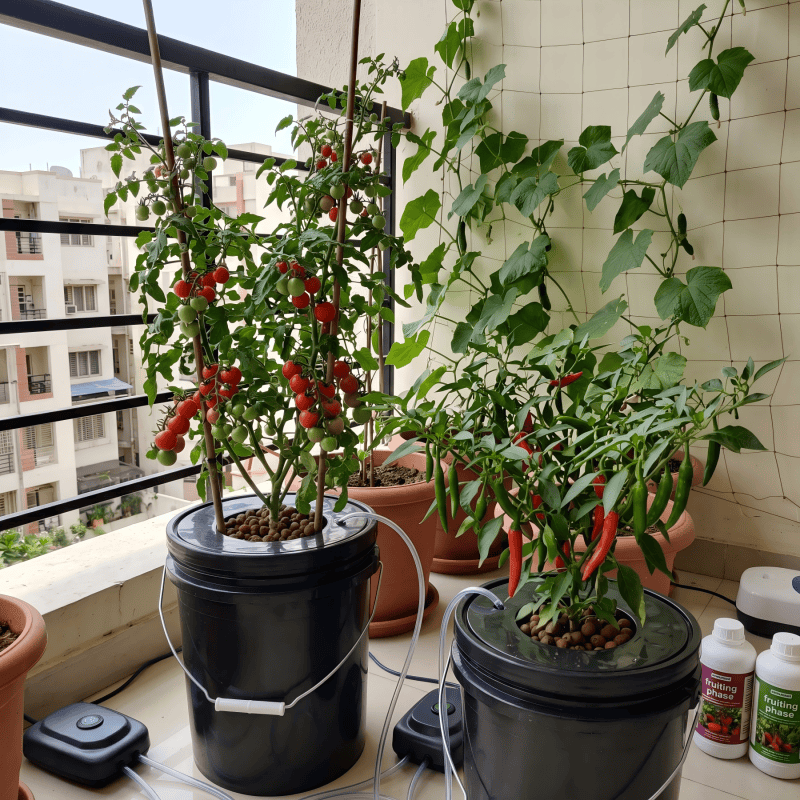
- Fruiting plants (tomato, chilli, cucumber) can do very well too, but need a bigger reservoir, stronger nutrient mix as they mature, and usually some kind of support structure once they get tall.
- Root vegetables (carrot, potato, onion, mooli) are a poor fit — they need a solid growing medium to bulk up in, and generally aren’t worth the trouble in DWC.
- Deep-rooted or very large plants struggle in a small bucket regardless of type — DWC works best for anything that stays compact or can be trellised upward rather than sprawling outward.
Best Beginner Crops
Spinach (Palak)
One of the easiest and most rewarding DWC crops for an Indian kitchen. Palak grows fast, tolerates minor mistakes in pH and nutrient strength, and gives you multiple cut-and-come-again harvests from a single planting. A 5L bucket comfortably supports 2-3 plants.
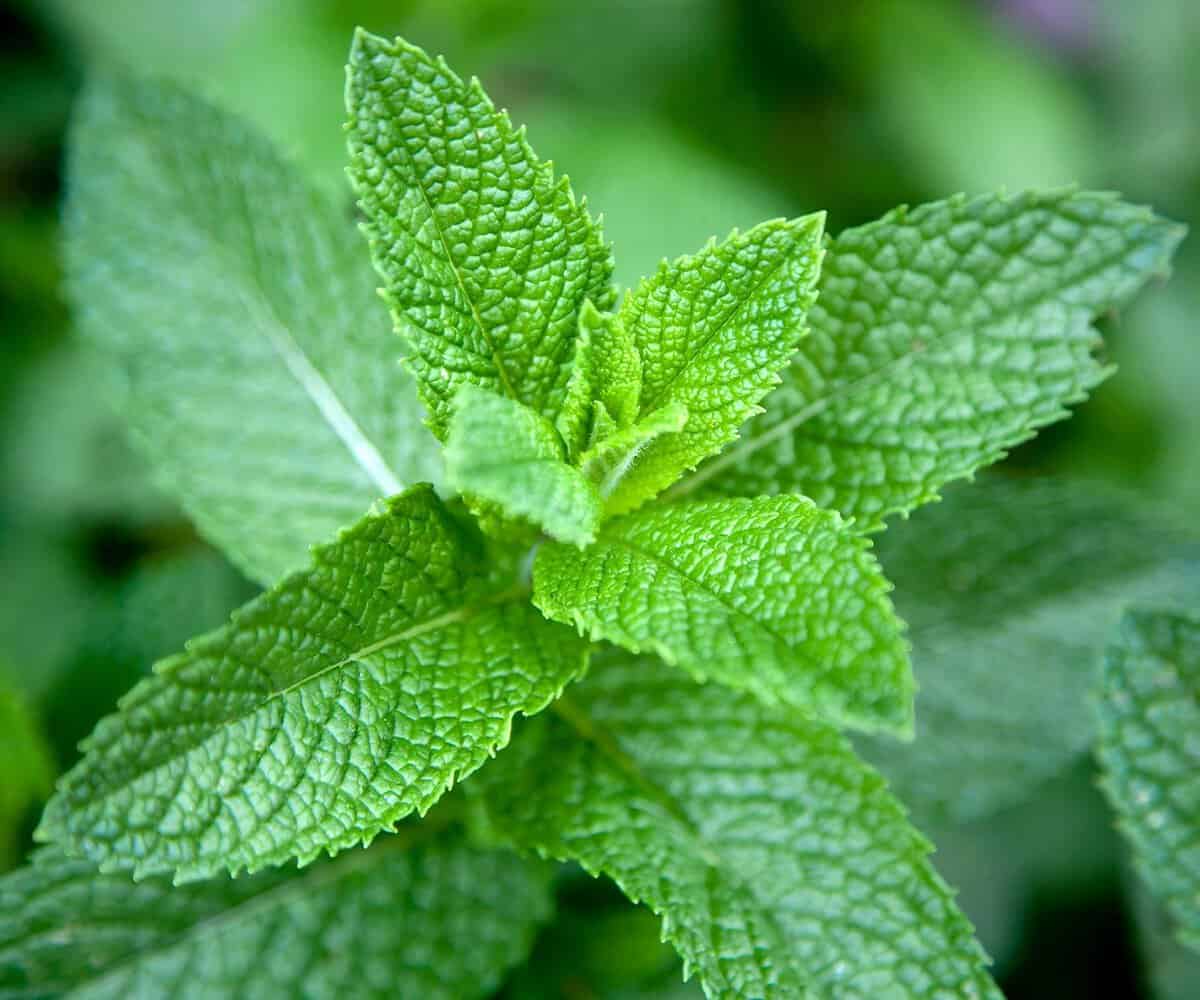
Mint (Pudina)
Extremely forgiving — mint is famously hard to kill even in soil, and it’s just as tough in DWC. It spreads quickly, so give it its own bucket rather than sharing space with something slower-growing. Great for chutneys and regular kitchen use.
Lettuce
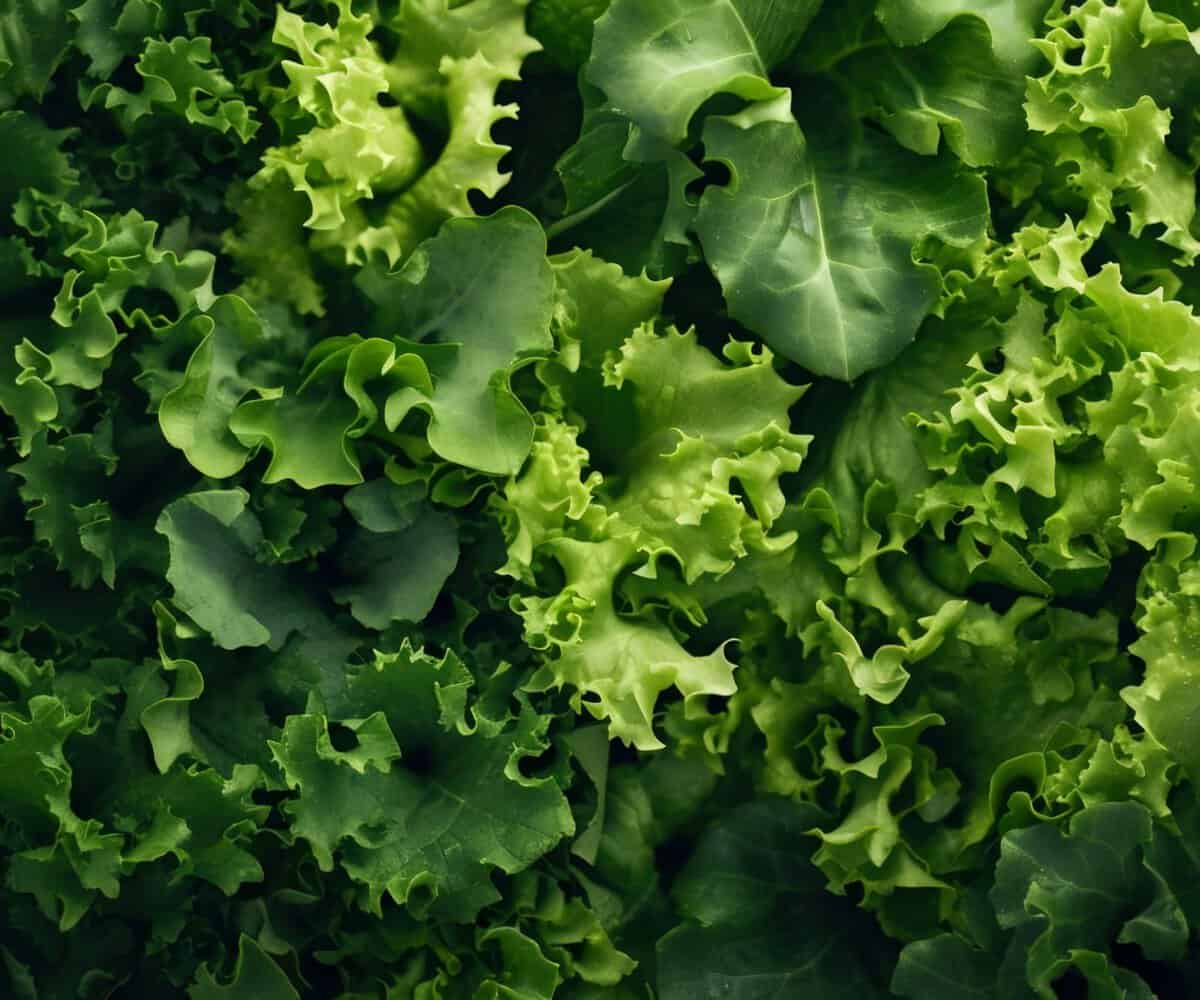
Reliable and quick, usually ready to harvest within 4-5 weeks. Loose-leaf varieties do better than head lettuce in DWC, since you can harvest outer leaves continuously instead of waiting for a single big head to form.
Coriander (Dhania)
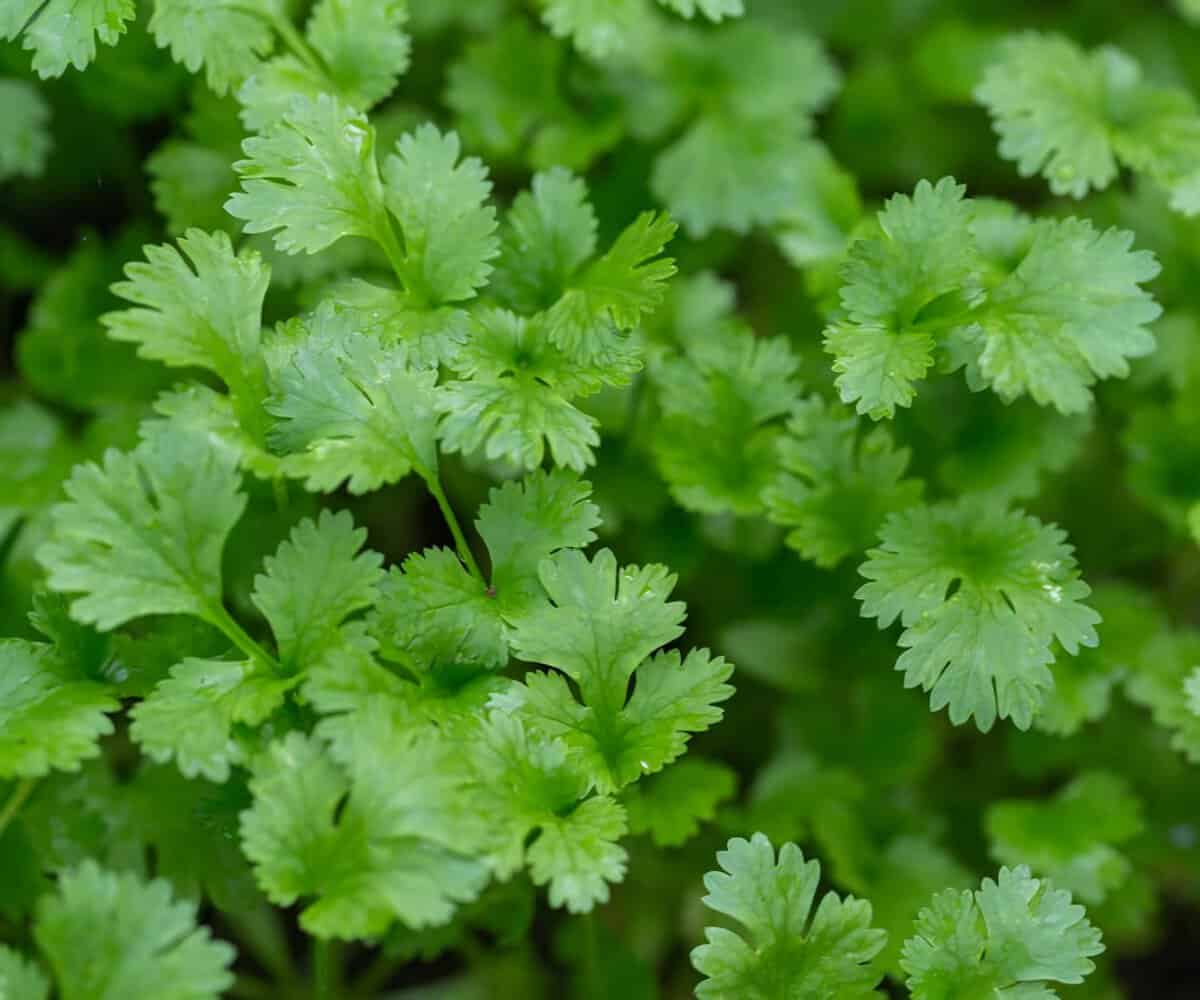
Grows well early on but tends to bolt (flower and turn bitter) quickly in hot weather, so it’s best suited to cooler months or a spot with partial shade. Sow a new batch every few weeks for a steady supply rather than expecting one planting to last.

Intermediate Crops
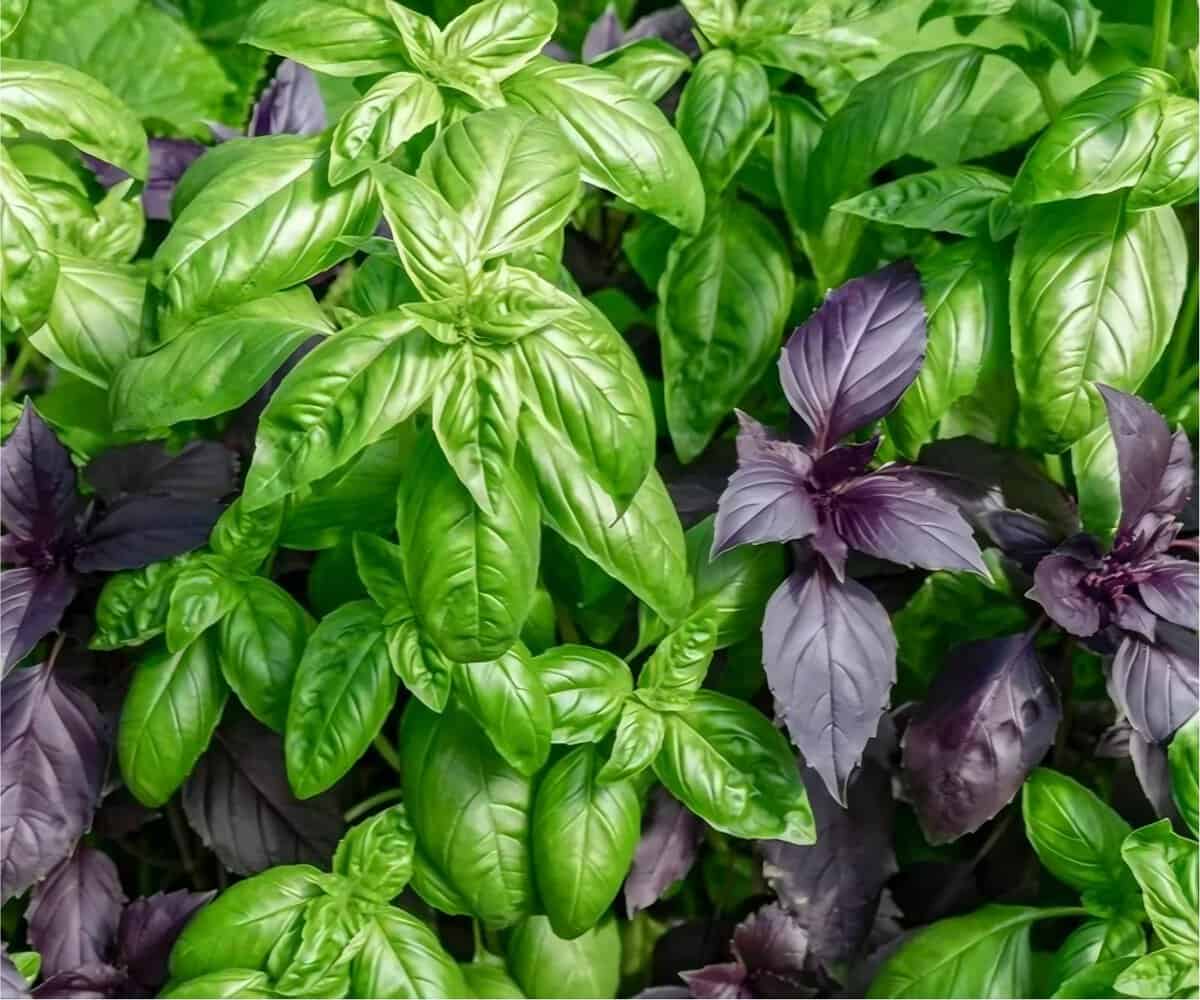
Basil
Loves warmth and grows vigorously in DWC, but is more sensitive to root rot than spinach or mint — good aeration and a slightly lower water temperature matter more here. Worth it for the yield: a single healthy basil plant produces far more than most people expect.
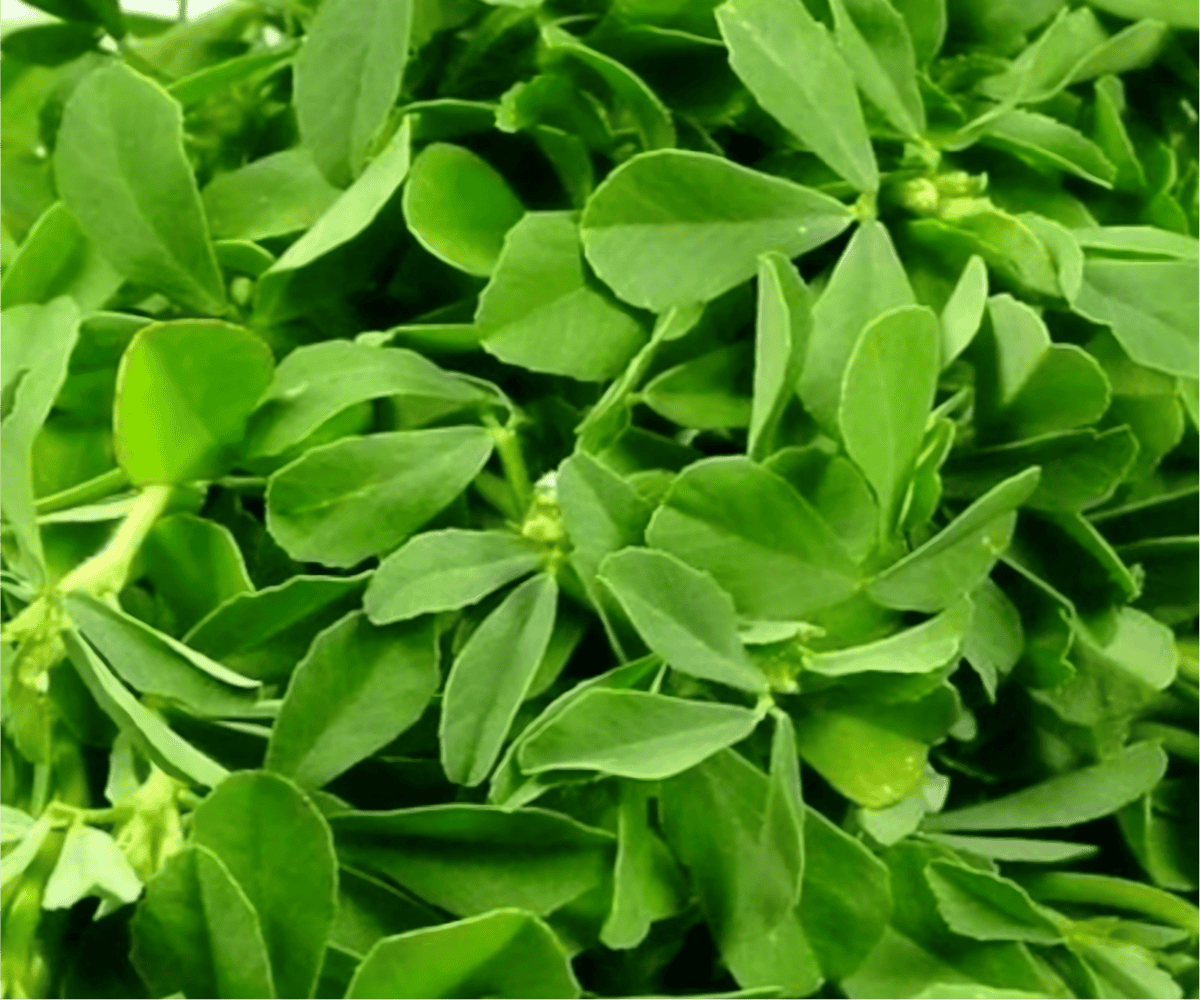
Fenugreek (Methi)
Does well in DWC for leaf harvests (methi leaves for sabzi), though it grows more slowly than spinach. Keep the nutrient solution on the milder side — methi doesn’t need heavy feeding to produce good leaf growth.
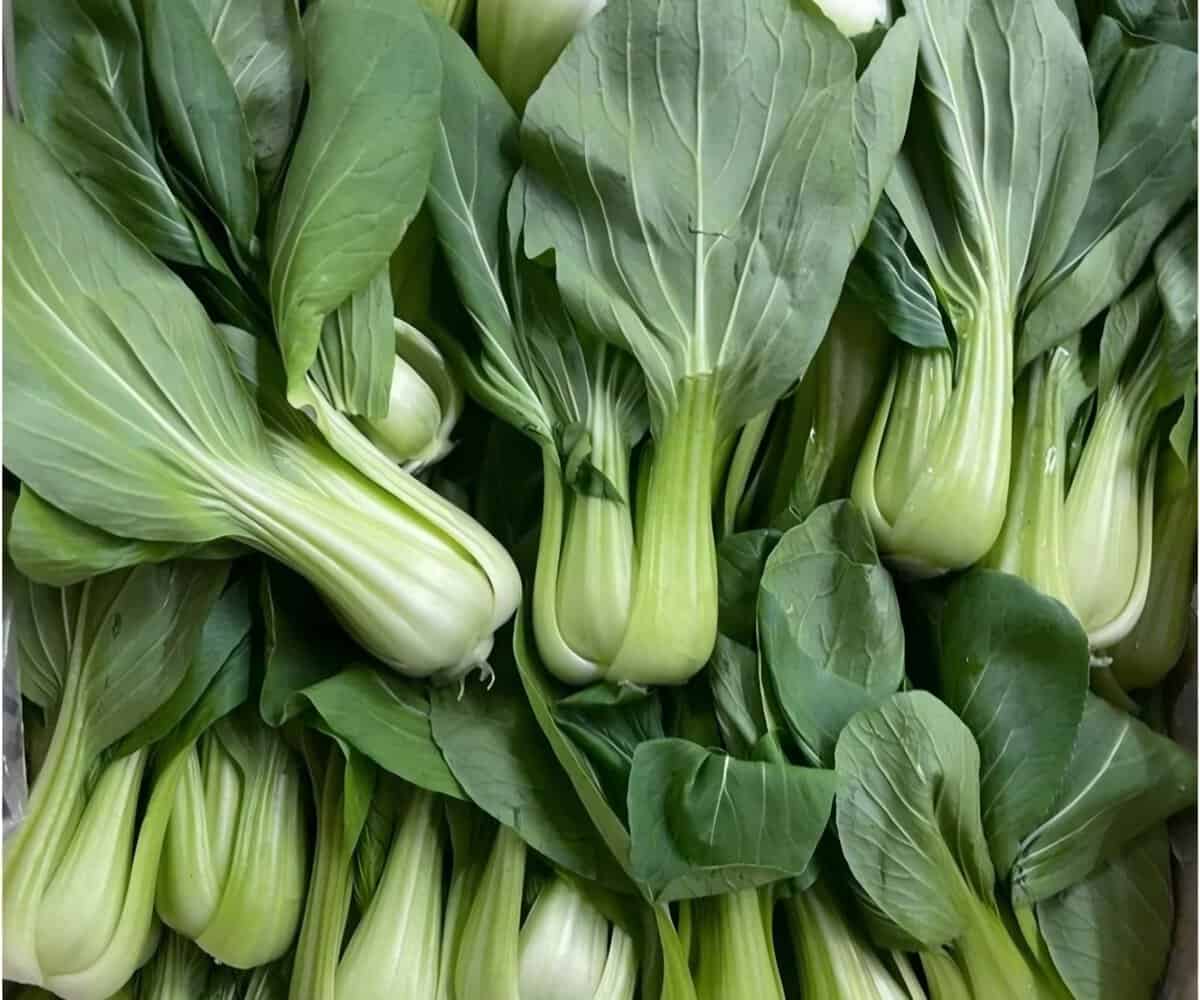
Bok choy / Pak choi
Not a traditional Indian crop, but increasingly grown by home hydroponic enthusiasts for stir-fries and salads — handles DWC well and matures in about 5-6 weeks.
Crops Worth the Extra Effort
Tomato
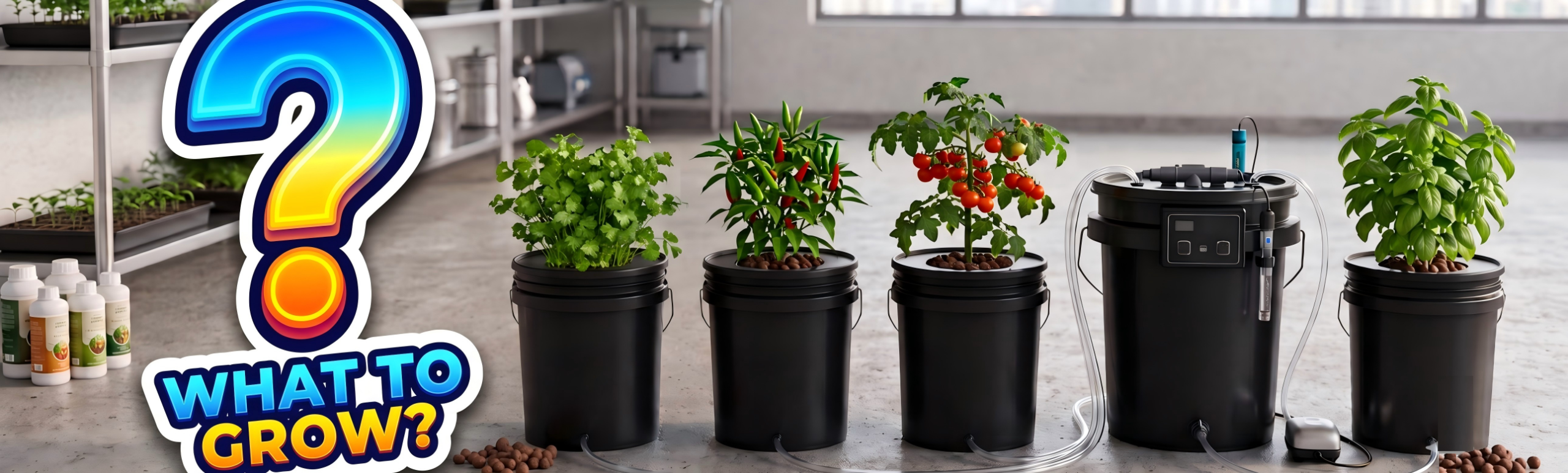
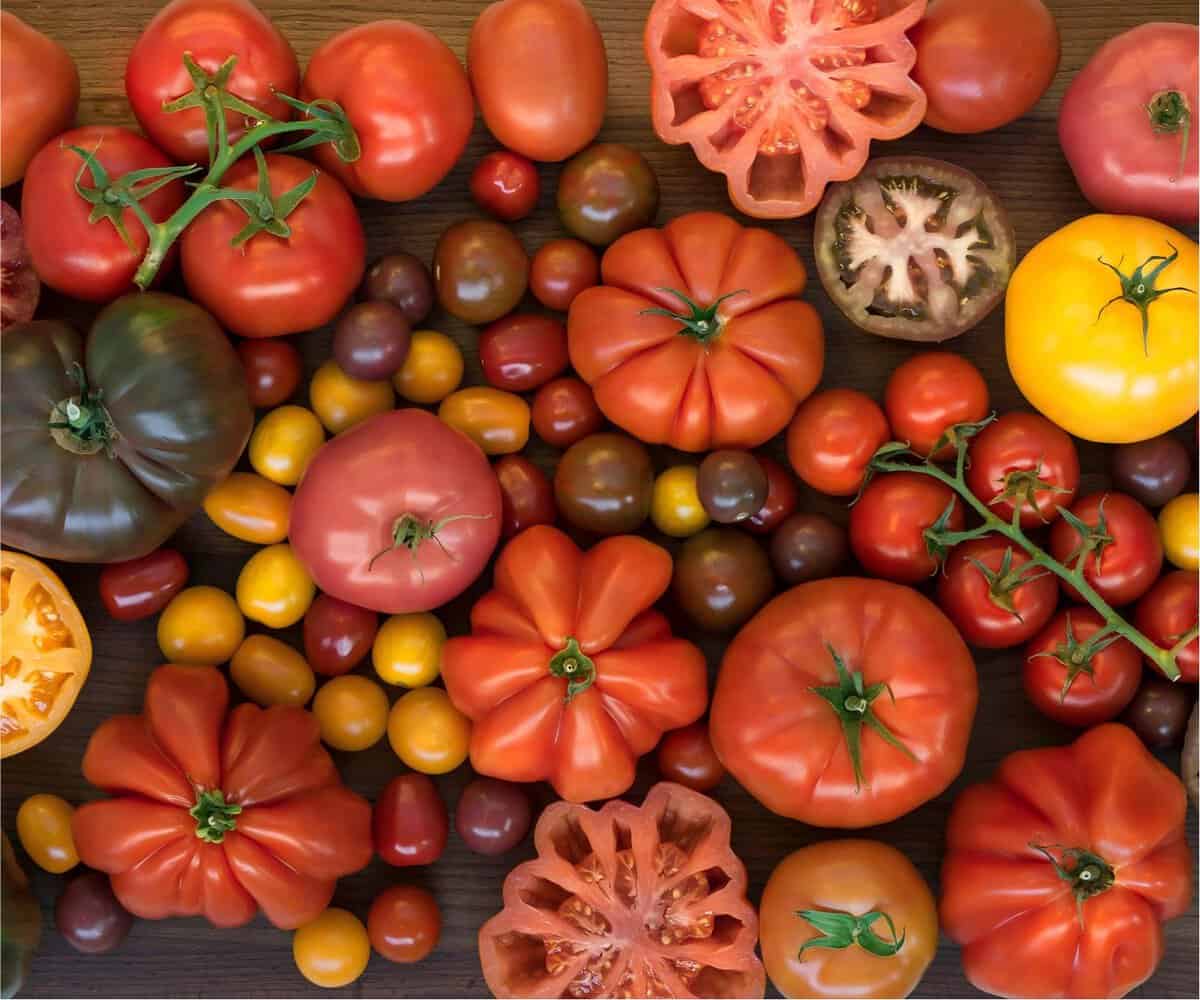
The most popular fruiting crop for home DWC setups, and for good reason — flavour and yield are noticeably better than most store-bought tomatoes. Needs a 15-20L reservoir, a trellis or stake for support as it grows, and a nutrient solution formulated for fruiting plants (higher potassium once flowering starts) rather than the leafy-green mix.
Chilli
Slower to establish than tomato, but once mature, chilli plants are remarkably productive in DWC and tolerate Indian heat well. A 10-15L bucket is usually enough, since chilli plants stay more compact than tomatoes.
Cucumber
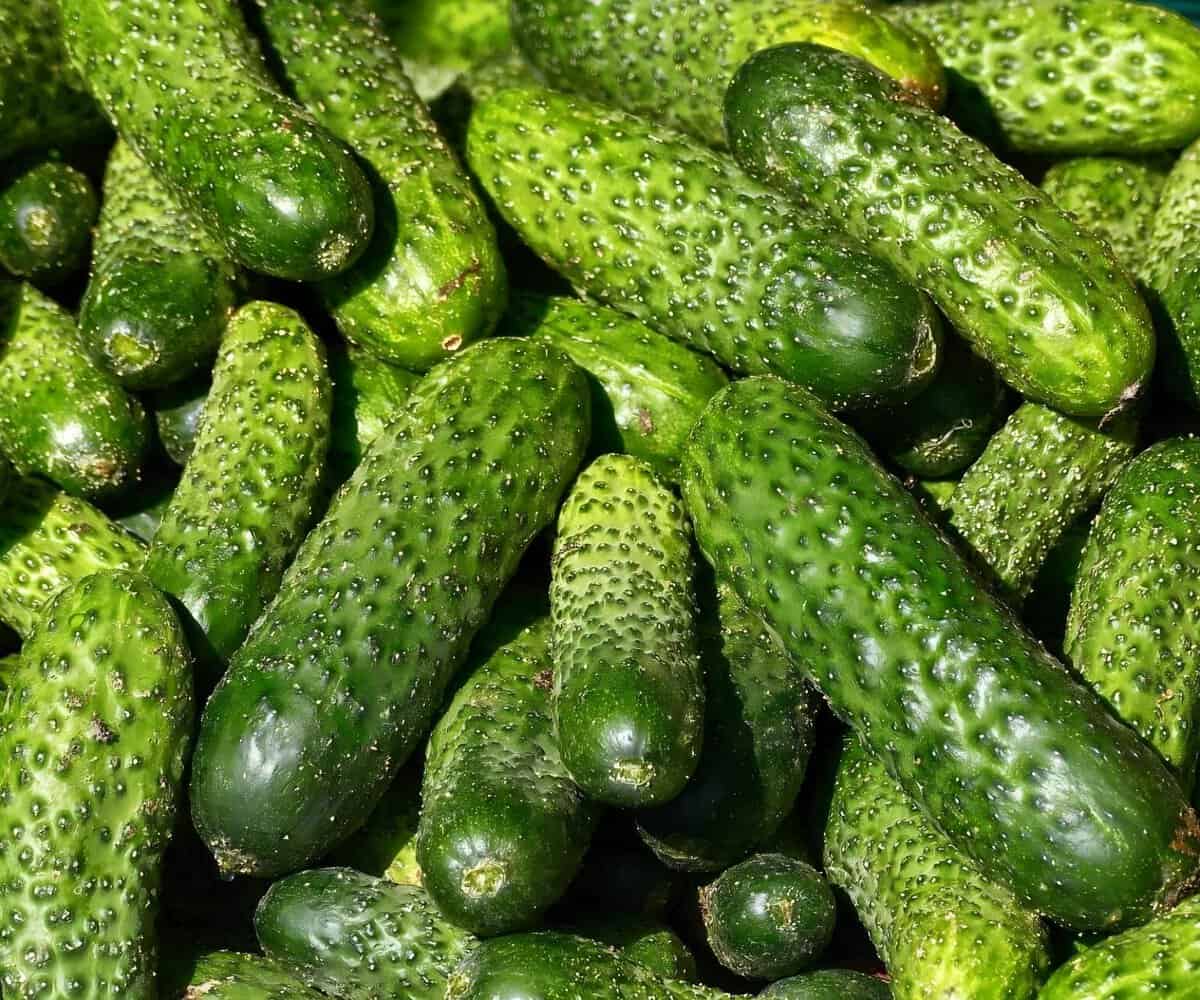
Fast-growing and productive, but needs vertical support and a reservoir on the larger side (15L+). Works best if you have space for a trellis, since cucumber vines sprawl aggressively.
Strawberry
A bit more of a project than the other crops here, but genuinely rewarding — homegrown strawberries taste noticeably better than most varieties sold in Indian markets, which are often picked underripe for transport. Strawberry plants do well in DWC with a shallower reservoir (8-10L is plenty, since roots stay fairly compact) but prefer slightly cooler root temperatures, so keep the bucket shaded and avoid placing it somewhere that gets hot afternoon sun in summer. Runners (the long shoots the plant sends out) can be trimmed off or rooted separately to start new plants — a nice way to expand your setup without buying more seedlings.


Crops to Skip in DWC
- Carrot, radish (mooli), potato, onion — all need a solid medium to develop properly; DWC’s open water reservoir doesn’t give roots anything to bulk against.
- Okra (bhindi) — grows too large and deep-rooted for a typical home DWC bucket.
- Most gourds (lauki, karela) — the vines get too large and heavy for a small hydroponic setup without serious structural support.
Quick Reference
| Crop | Difficulty | Bucket size | Time to harvest |
|---|---|---|---|
| Spinach (palak) | Easy | 5L | 3-4 weeks |
| Mint (pudina) | Easy | 5L | Continuous, cut as needed |
| Lettuce | Easy | 5L | 4-5 weeks |
| Coriander (dhania) | Easy-moderate | 5L | 3-4 weeks |
| Basil | Moderate | 5-10L | 4-6 weeks |
| Methi | Moderate | 5L | 4-5 weeks |
| Cherry tomato | Moderate-hard | 15-20L | 8-10 weeks to first fruit |
| Chilli | Moderate-hard | 10-15L | 10-12 weeks to first fruit |
| Cucumber | Moderate-hard | 15L+ | 8-9 weeks |
Final Thoughts
If you’re setting up your first DWC bucket, start with palak, pudina, or lettuce — they’re nearly impossible to mess up and will build your confidence with the system fast. Once you’re comfortable managing pH and nutrient levels, a cherry tomato or chilli plant makes a genuinely satisfying next project, and gives you something no supermarket sabzi can match in freshness.